A Timeline
1941 Born in 1941, I was conceived during the Battle of Britain, during the blitz. In 1942, my family moved to Amesbury England where I grew up on Stonehenge Road on a terraced Iron Age hill fort, just down the road from Stonehenge. Amesbury is the oldest known continuously occupied place in Britain, with the 5,000 year old living place of those who built Stonehenge at Blick Mead just across the field from where I went to school.
1953 My family moved to London in 1953 when I was 12-years old. By age 14, I was a junior art student at Twickenham art-school, where I met school chum, and future roommate, and sometimes partner in graphic design and art, the now famed Barney Bubbles, formerly known as Colin Fulcher. I studied graphic design when graphic design was very physical, involving scalpels, cow gum glue, letterpress, drawing boards, monotype, and hand setting. I graduated Twickenham art-school in 1961.
1961 I worked at Town magazine in London in 1961 and ’62. My art director was Tom Wolsey, a brilliant graphic designer, who studied at the Bauhaus in the U.S.A., in both Chicago where Marcel Brauer was a teacher, and New York where Albers taught. Tom was the first to use supermodel Twiggy and David Bailey, her photographer. Tom introduced Helvetica (then called Neau Hass) to Britain from Switzerland, in one font of 72pt. We (me) had to hand-cut every headline to make close spaced and ligatured text. It is Tom Wolsey’s German accent that Peter Sellers imitated in the Pink Panther movies. Tom Wolsey popularized the modern style of graphics of the 1960’s.
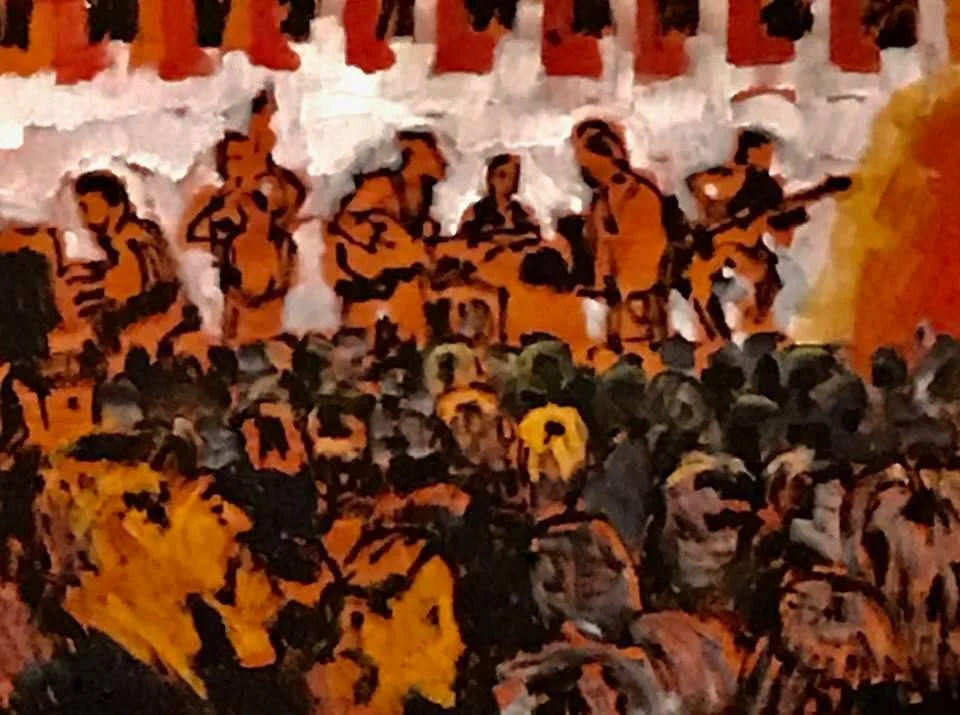
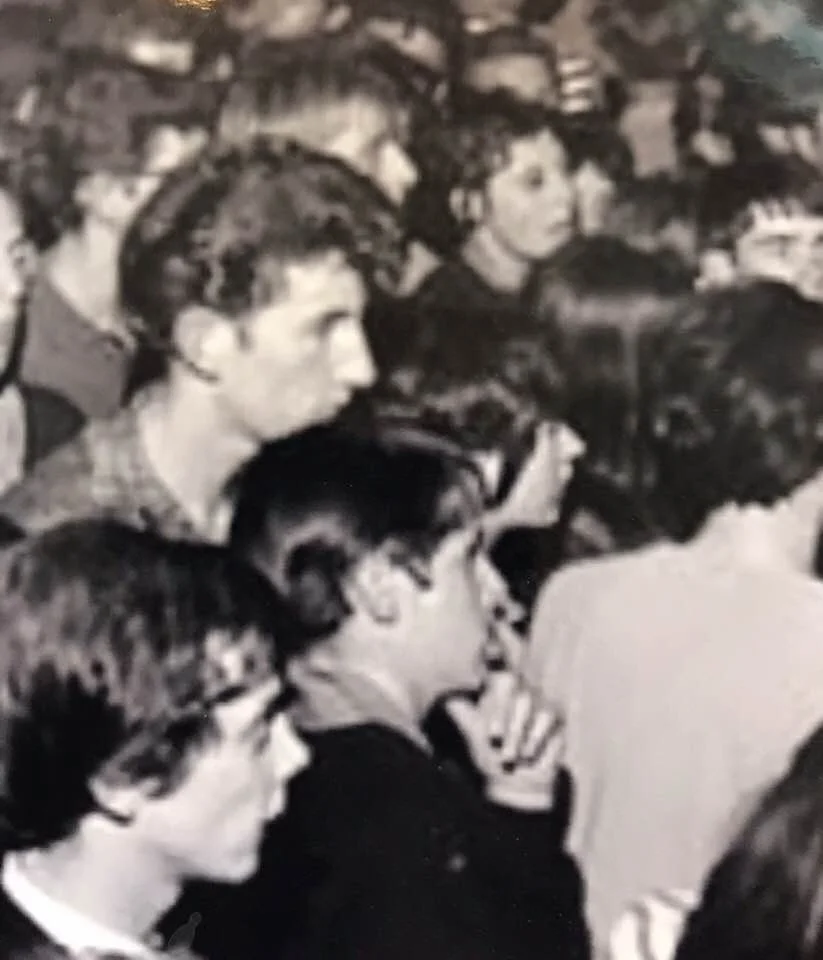
1963 At 21-years old, my school mates and I were regulars to see The Rollin’ Stones, which is what they were called before they renamed themselves, The Rolling Stones, play at the Crawdaddy Club at the Station Hotel in Richmond, London. That’s me in the center foreground of the next photo, finger to nose, imagining painting The Rollin’ Stones at their last gig at the Crawdaddy, which I did 50 years later.
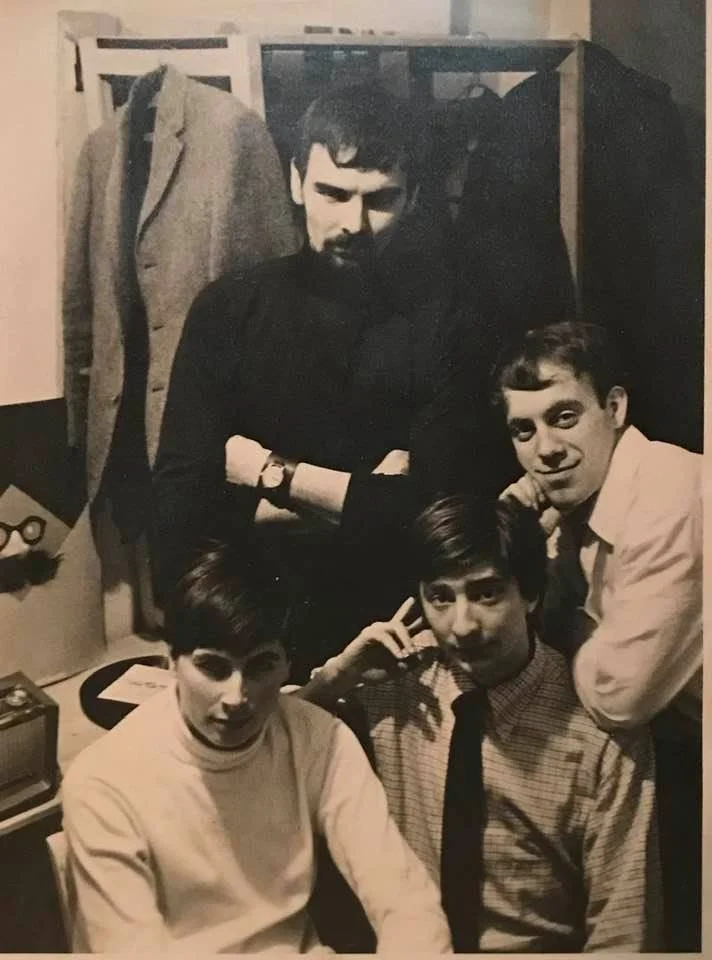
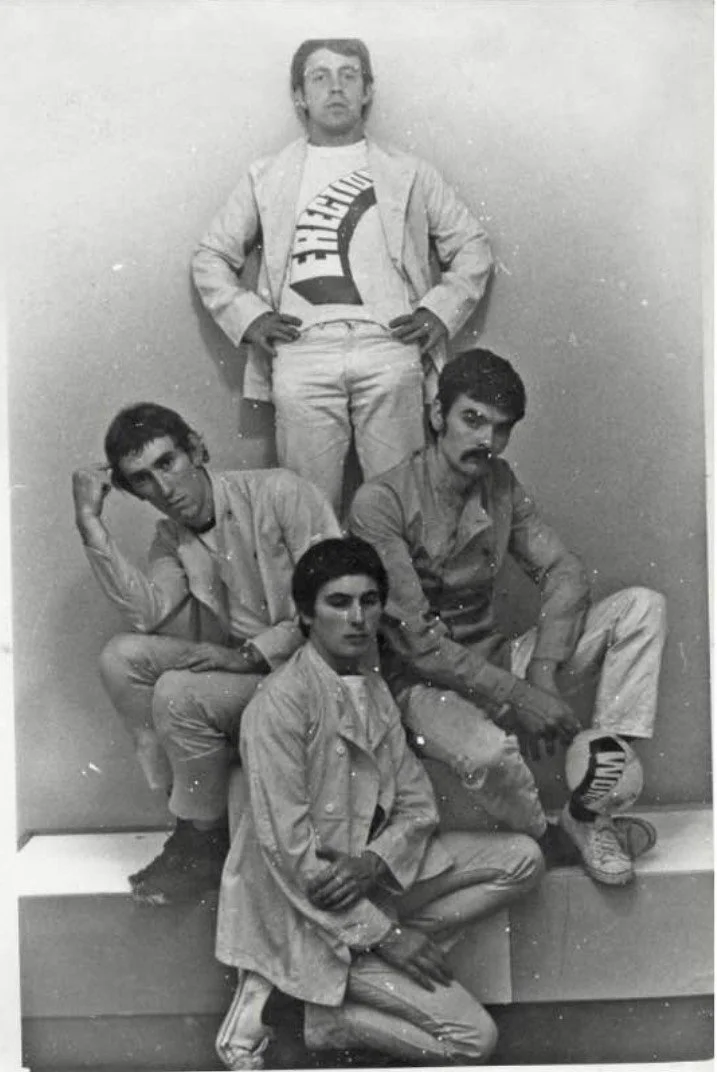
1964 My roommates, including mastermind Barney Bubbles and me, form the art gang, A1 Good Guys, the living breathing essence of the “sixties!” while living at A1 Leigh Court in London. We had our address as a crash pad listed by me at the Arts Lab, (where John Lennon and Yoko met). That’s how we got to meet Merchant Marine, Hippie Jim, from Haight Street in San Francisco. We heard about Haight Street and all that was happening there, first hand. That is also how we met Funky Paul, one of the Funky brothers, who told us about his friend, Margo St James. Pictured here are the A1 Good Guys. Clockwise from top left, Roy ‘Bumps’ Burge, Roger Bowman, Colin ‘Barney Bubbles’ Fulcher on right, David ‘Sid Squeek’ Wills on left.
1965 Barney Bubbles invented the Erections (which I named), an air guitar band that played one performance only at the Conran new-year party, a department store in London.
1967 I worked at the advertising agency, Davidson Pearce Berry and Tuck, Berry being Norman Berry who wrote “the” book on advertising. I remembered going off to work in the advertising agency, after having hosted a psychedelic event at our A1 Good Guys headquarters, hashish and The Doors, long hair and the culmination of my transition from an upbringing as a comparatively staid suburban straight to not so straight. The transition showed up on the Underground (subway) from the wild freethinking events of my daily life, where I was learning to be free, to the comparatively staid workplace that Davidson Pearce Berry and Tuck was (compared to other ad agencies very loosely run), where I wore a tie and black shiny shoes. Sneakers were still not worn at work. This was extremely disorienting and oddly like time travel in retrospect. It was in 1967 that I walked out of the ad agency with a big 'ol hashish and tobacco joint to Regents Park at lunch, returned and gave notice I was leaving. I told them I was leaving for New York for a while, and they said I was welcome back once I returned. I tuned in, turned on, and termed out.
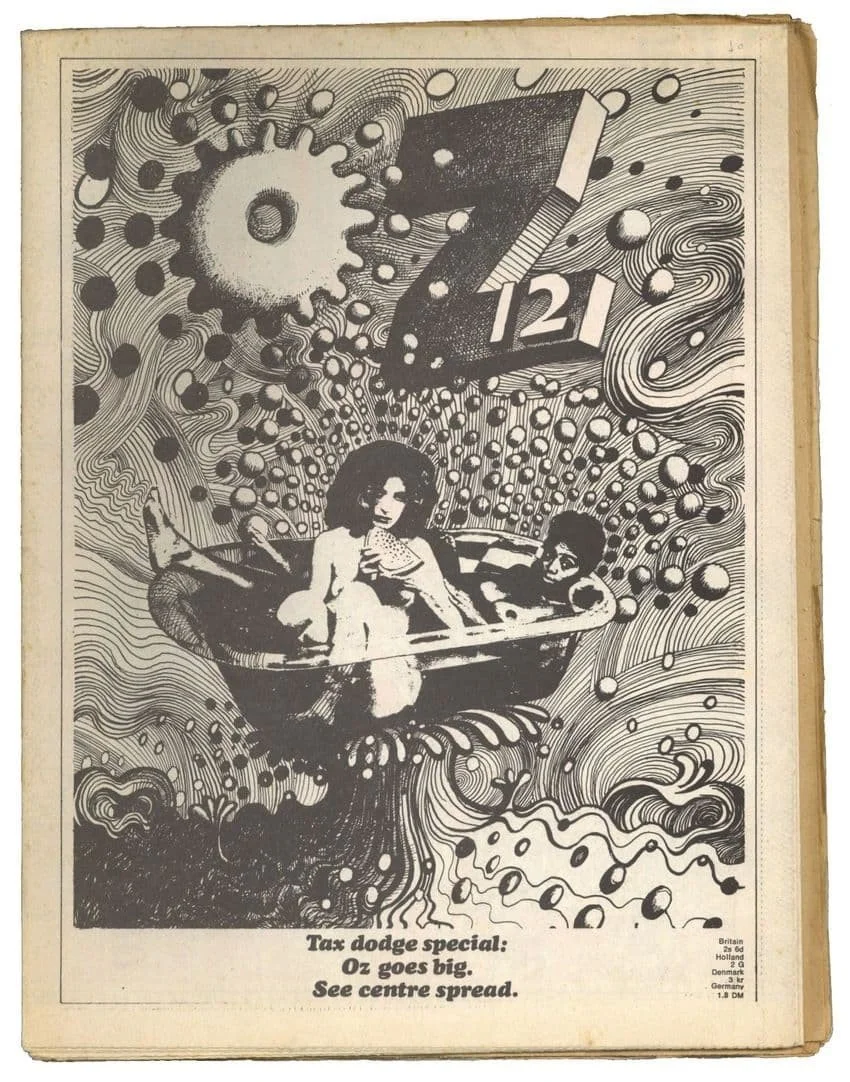
Oz magazine psychedelic color trip, Oz 12, that Barney Bubbles and I designed which was two large folded posters stapled together as a magazine. Next to the staples I placed a note saying, “Tax Dodge Special” which was used as an excuse by the government to prosecute Oz for tax evasion. The idea was that we would fold and staple the posters together like a magazine because magazines weren’t taxed, but posters were.
1968 I visited San Francisco on a trip from Los Angelas on route-one, with my then girlfriend, Diney Bercel, in a VW beetle we barrowed from her father, Dr Bercel. Dr Bercel was the first person to take LSD in the United States and experimented with LSD on spiders.
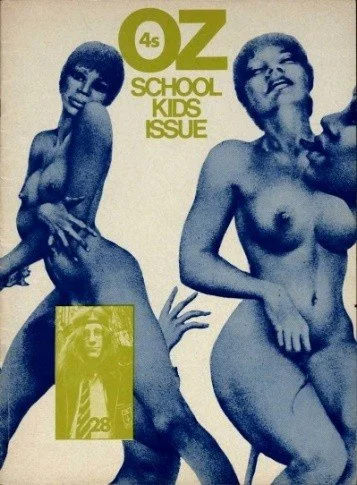
1971 Back in London, I designed the cover and other parts of School Kids Oz. One of the editors of Oz, Jim Anderson, placed the photo of the school kid over the genitals. The editors were busted in a huge freedom of speech trial at the Old Bailey. You can find a word for word reenactment of this on YouTube with a young Hugh Grant playing the part of Richard Neville, the creator of Oz. I had an interaction previously with a government censor at the Lord Chamberlain’s office in Kensington Mews who walked up to me and said, “You need to stop working on these disgusting, depraved magazines or I’ll close them all down!”
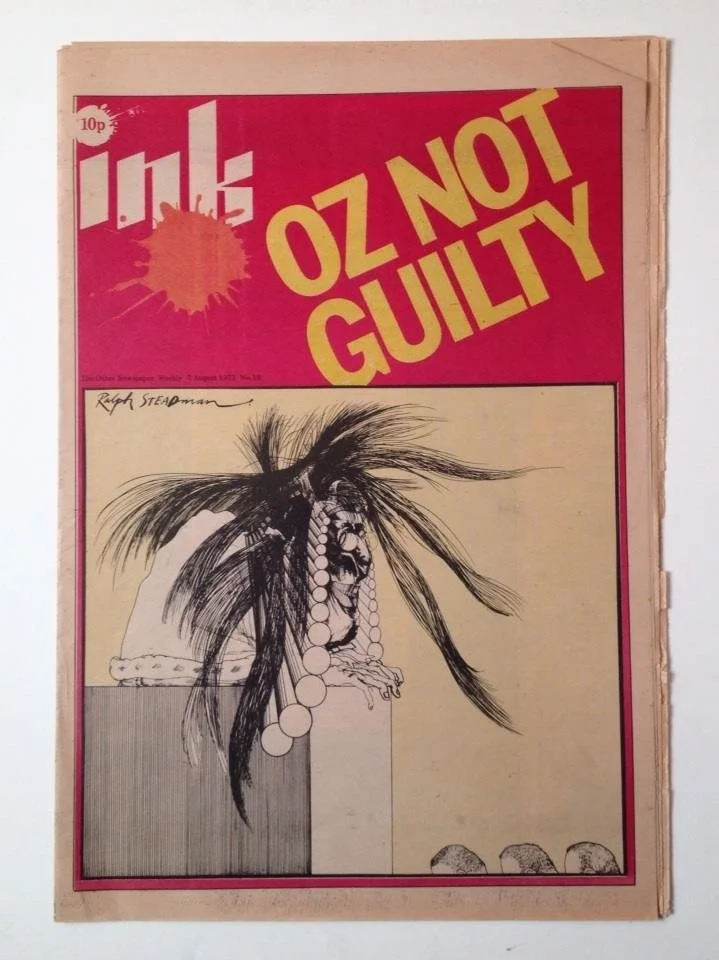
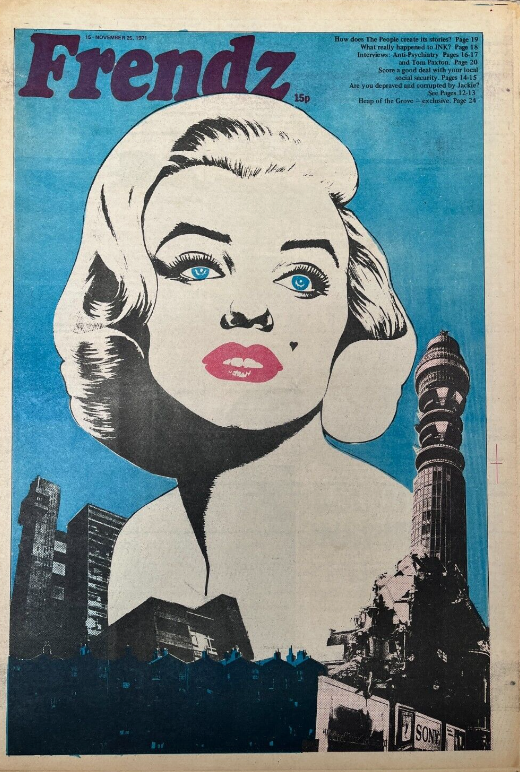
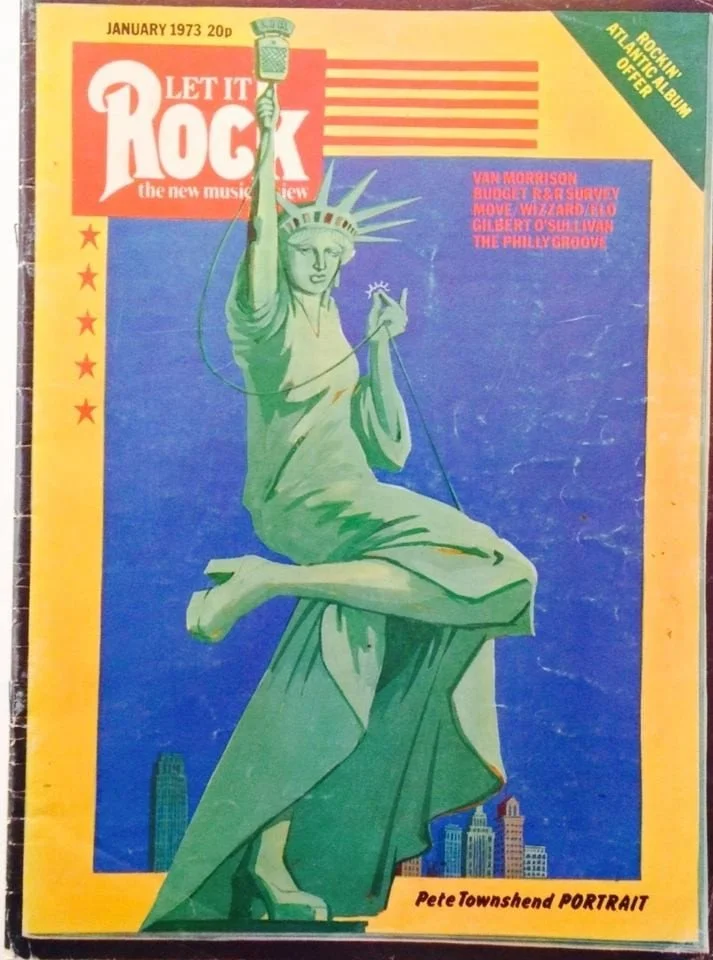
Other magazines I worked on are Ink, Frendz, Curious, and Let it Rock. Below are a few more magazine covers I designed.
Ink - Oz Not Guilty. Design by David Wills and Artwork by Ralph Steadmann. London 1971
Frendz. Design by David Wills
Let it Rock. Design and Statue of Liberty art by David Wills. Musician Pamela Polland modeled the legs for this cover.
1973 Oz, Ink, and Curious close down. As a result, I left London and arrive in Mill Valley, California, to stay with singer Pamela Polland (who incidentally performed at the Hookers Ball in later years), who by the time I arrived, was shacked up with somebody else. A few days later, I met Rhona Begonia at the Sausalito Arts Lab at a Sufi dance. I went back to her place at Druid Heights in Mill Valley where I became a fellow communard with women’s rights organizer Margo St. James, lesbian poet (this is how she referred to herself) Elsa Gidlow, philosopher Alan Watts, and architect Roger Somers, among others, in an “undeliberate” community where I was to live for the next two years and began work with Margo St. James from the inception of the Coyote campaign.
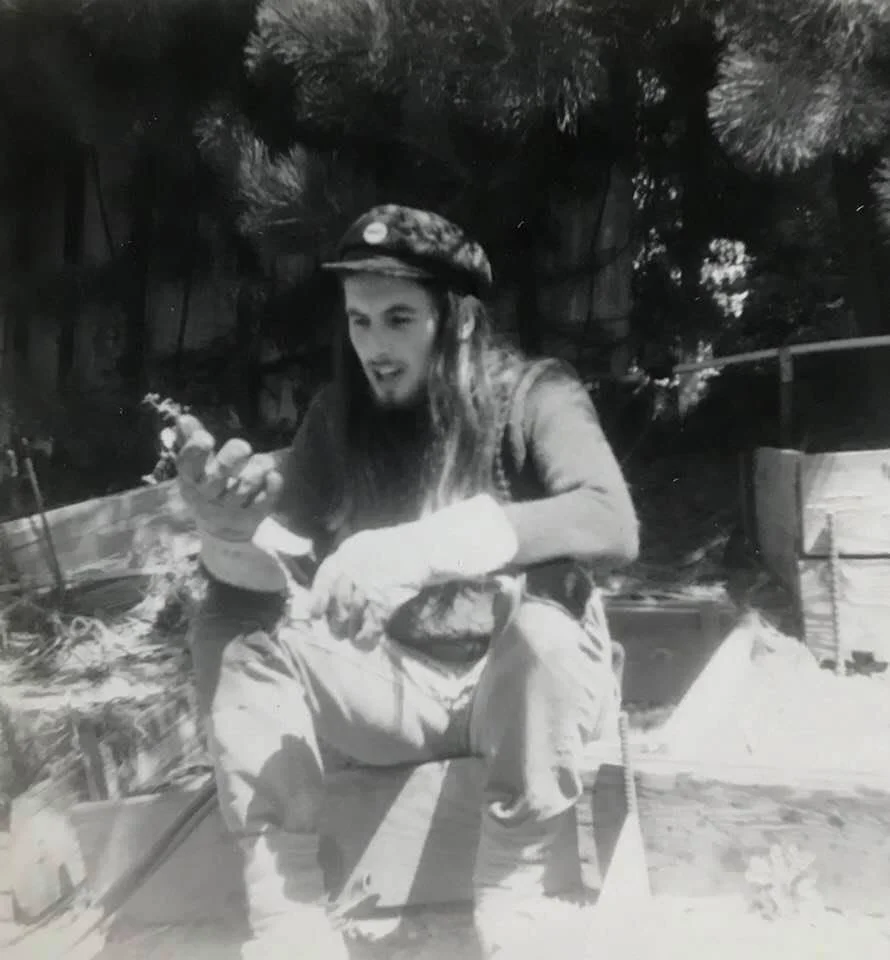
I am pictured here at Druid heights in Mill Valley working in Elsa Gidlow’s garden, across from Alan Watts’ library, which I did for $5 an hour while living in her goat house.
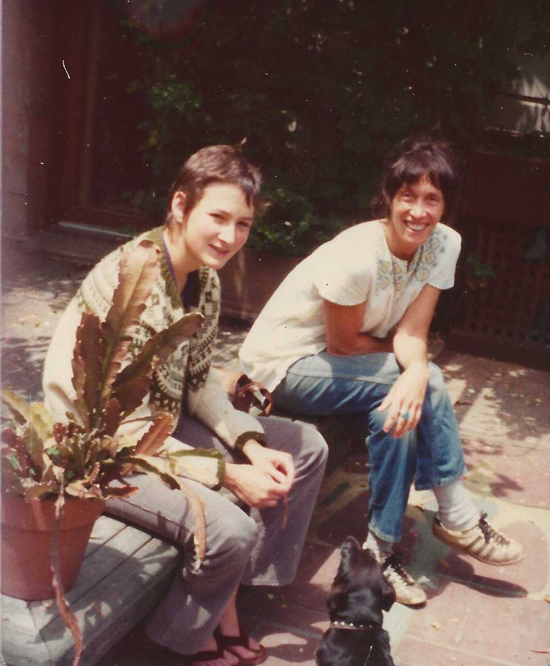
Susan Brenner and Margo St James and Jalisco the dog, outside the big house at Druid Heights.
1975 - 1979 The Hookers Ball Years - It was a riot, never held at the same venue twice. From the Hyatt to the Cow Palace and The Civic Center, the Ball became the talk of the town. It was a ground breaking event, the high point of San Francisco’s social year.
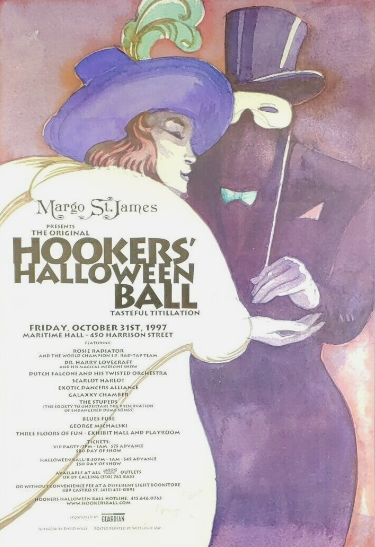
A poster I designed for the Hookers Ball from 1997, when the Hookers Ball returned for a single year. Poster art and design by David Wills.
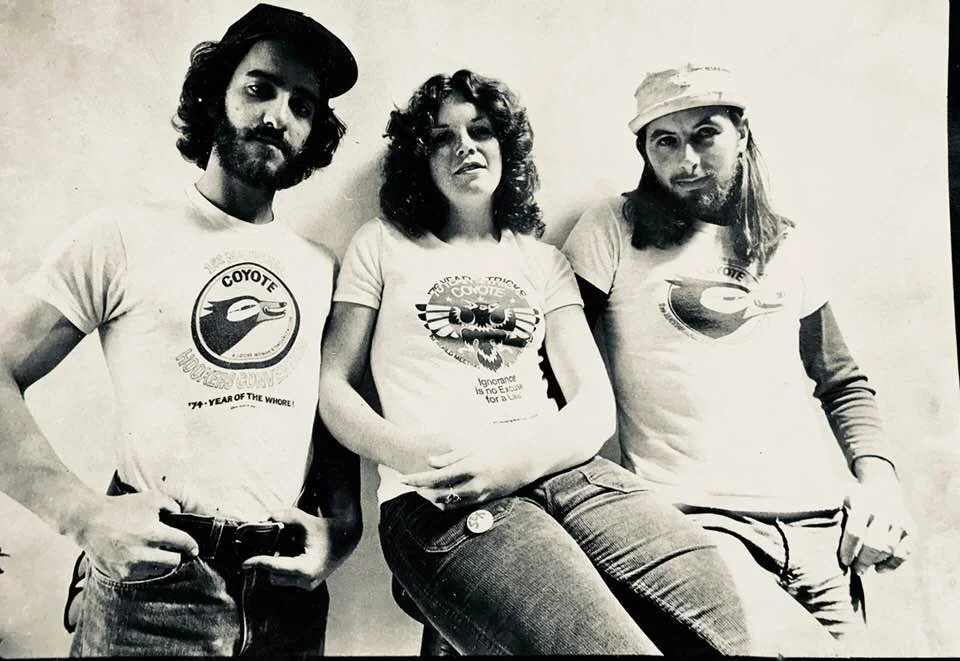
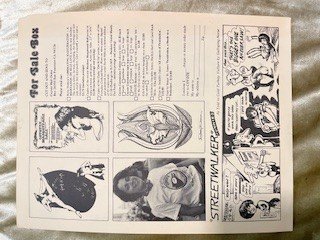
Pictured from left to right is Anthony Minstein, Donna Houpt, and myself - David Wills, from a 1976 advertisement for T-shirts that I designed for Coyote. Donna posed for the vagina image in the, “Get it up” poster, along with myself. Below is a mail order form which advertises the poster for sale.
1975 I moved to San Francisco into a basement on Jackson Street in the Pacific Heights neighborhood, then in sequence to: Church Street, Baker Street at Page Street, and across the street on the corner to Page Street at Baker Street, and then in 1976 I moved to 534 Ashbury Street at Haight Street for $25 a month with 8-roommates - I later bought the apartment and lived there for almost 40 years.
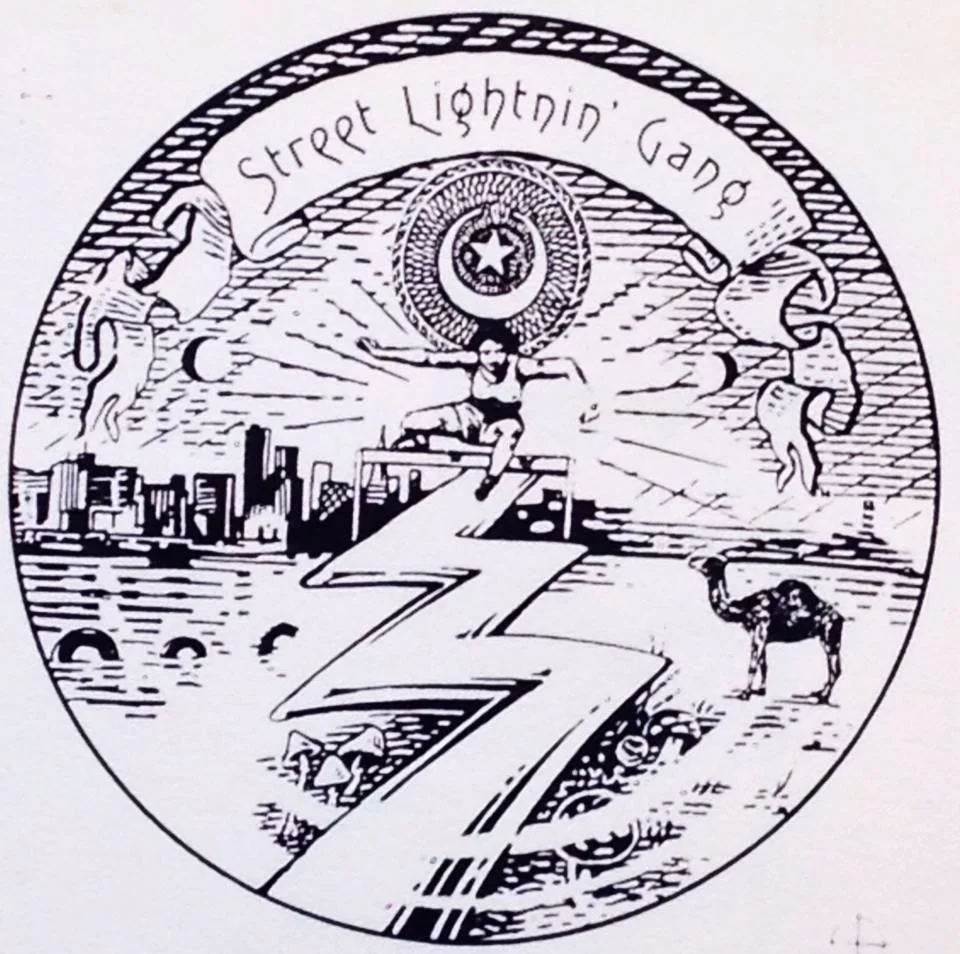
Molly Rodrigues (now Molly Bode) and I formed an art gang, Street Lightnin’ Gang. The use of our Teleport stencils, guarantee free world transport, “Gets you where you want to go - in your own time”. Robert Hunter, the lyricist for the Grateful Dead, asked me if he could use the quote, so I signed a copyright release in his little black book. Robert Hunter also wrote the song, “The Hookers Ball” for Margo St James. The SLG Teleports were recognized as early practical use of stencils in the current wave of stencil art. Use of SLG stencil art, the Teleport stencils, turned any building or suitable object into a teleport. The image is displayed on many of the Hookers Ball posters, flyers, and other Coyote ephemera.
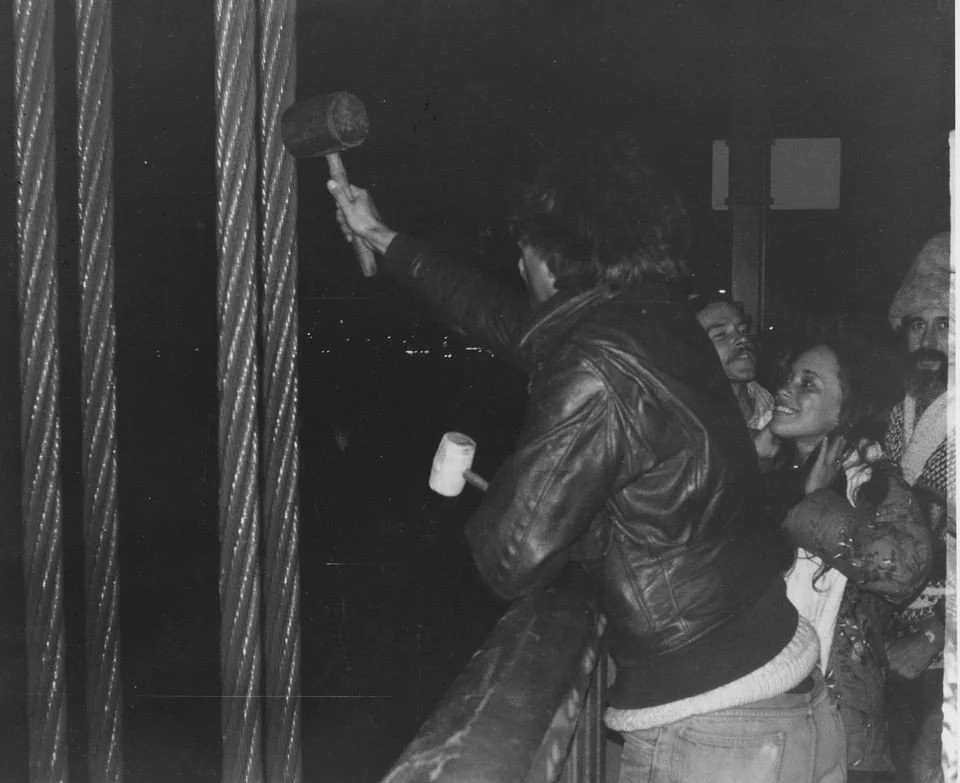
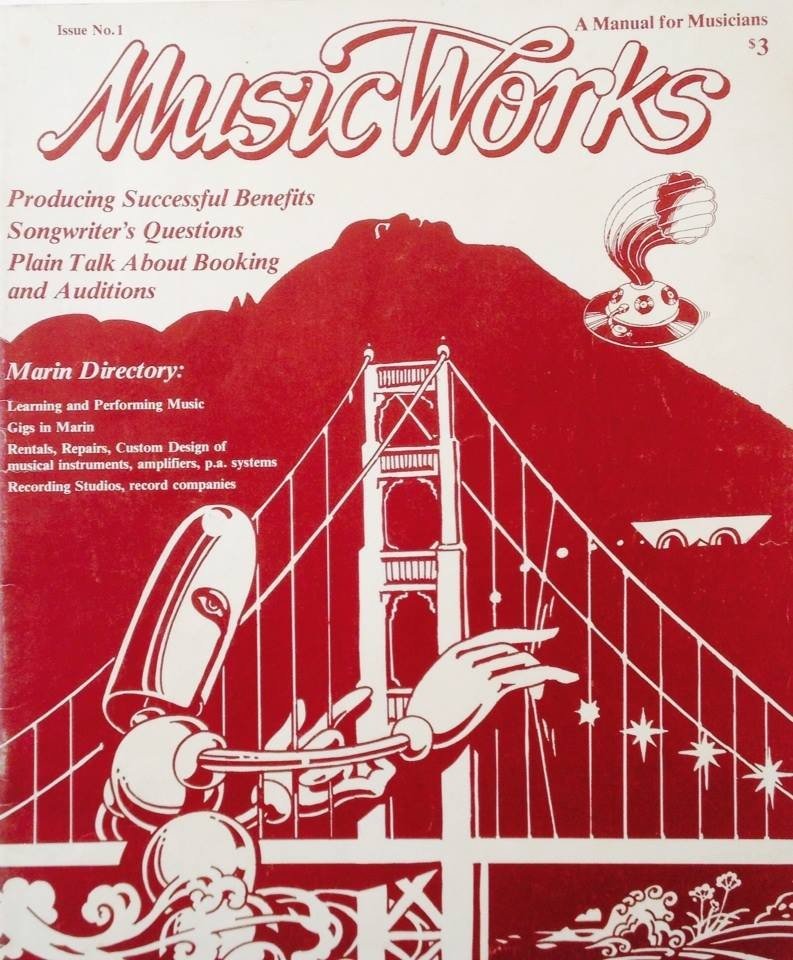
1975 Diane Rapaport, formerly Bill Graham's 'quiet music' manager and I published, “Music Works”, a manual for musicians. I drew the cover and all of the ads, with a theme of Venusians landing and taking over the music biz. The cover of the first of three issues showed a Venusian playing the Golden Gate Bridge as a harp. I said to Diane, how cool it would be to actually do it. Diane asked her new husband, Walter Rapaport who was a sound engineer, how that could be done. He said, "The FRAP!" - Arnie Lazarus's amazing pick up, which was able to record everything from a pin drop, to a piano, to a cable hit by a mallet on the Golden Gate Bridge. I am proud to say that I am the first to record the 2-minute note of a cable on the Golden Gate Bridge.
Pictured here is myself with the mallet, with roommates Molly Rodriques, and Brandan Jaide, with Arnie Lazarus looking at the camera. Taking the photo is Doug McKechnie. Diane Rapaport was Pamela Polland’s agent and was the entertainment director for the first three Hookers Balls.
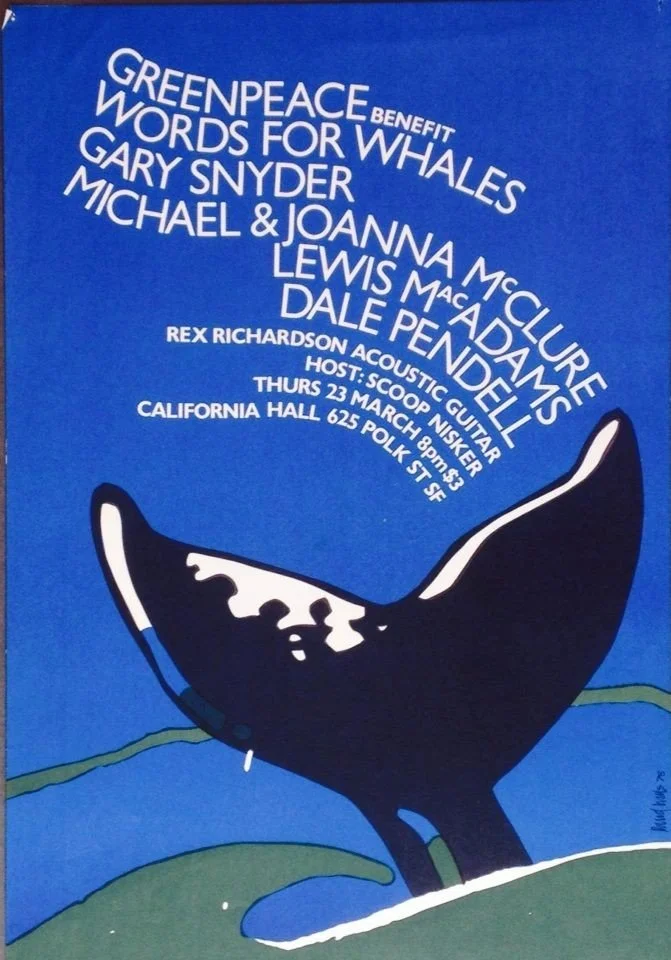
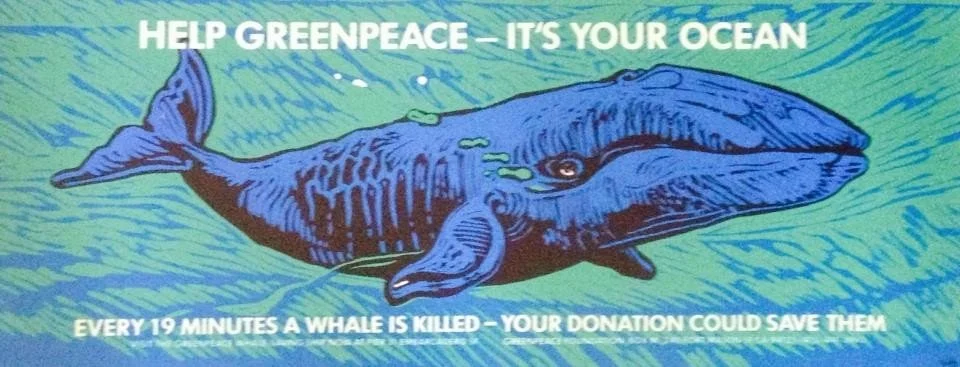
1976 I designed two posters for Greenpeace. The, “Help Greenpeace – It’s Your Ocean” poster was made from a carved linoleum print of a grey whale which was commissioned by the Greenpeace Foundation in San Francisco to be used as an ad poster for the Greenpeace whale campaign. It appeared on the San Francisco Muni buses. There were various versions; a six-footer on the outside of the bus, a shorter 4-foot or so version on the back of the bus, and a smaller version on the inside.
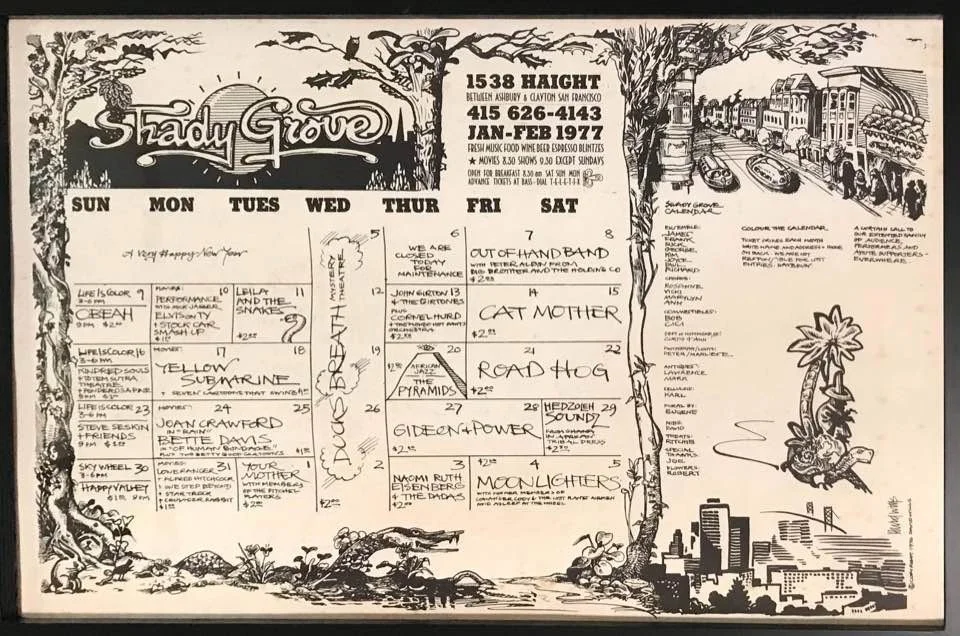
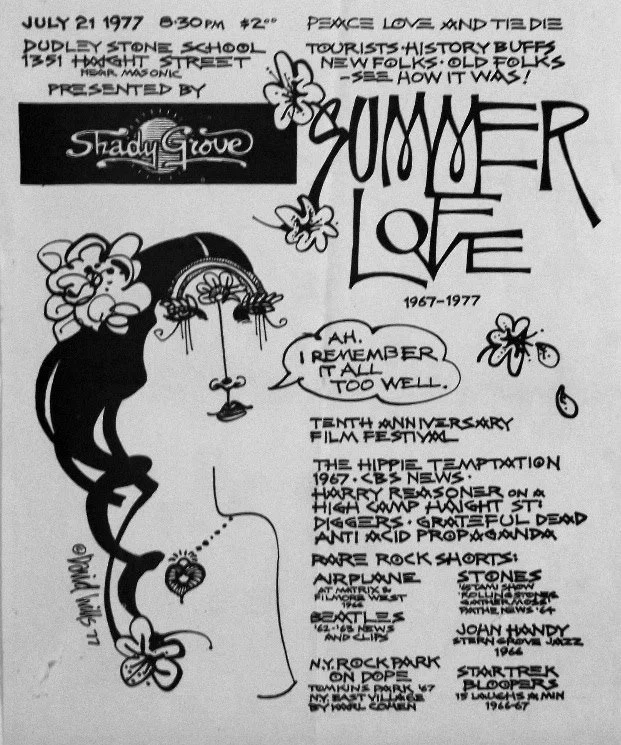
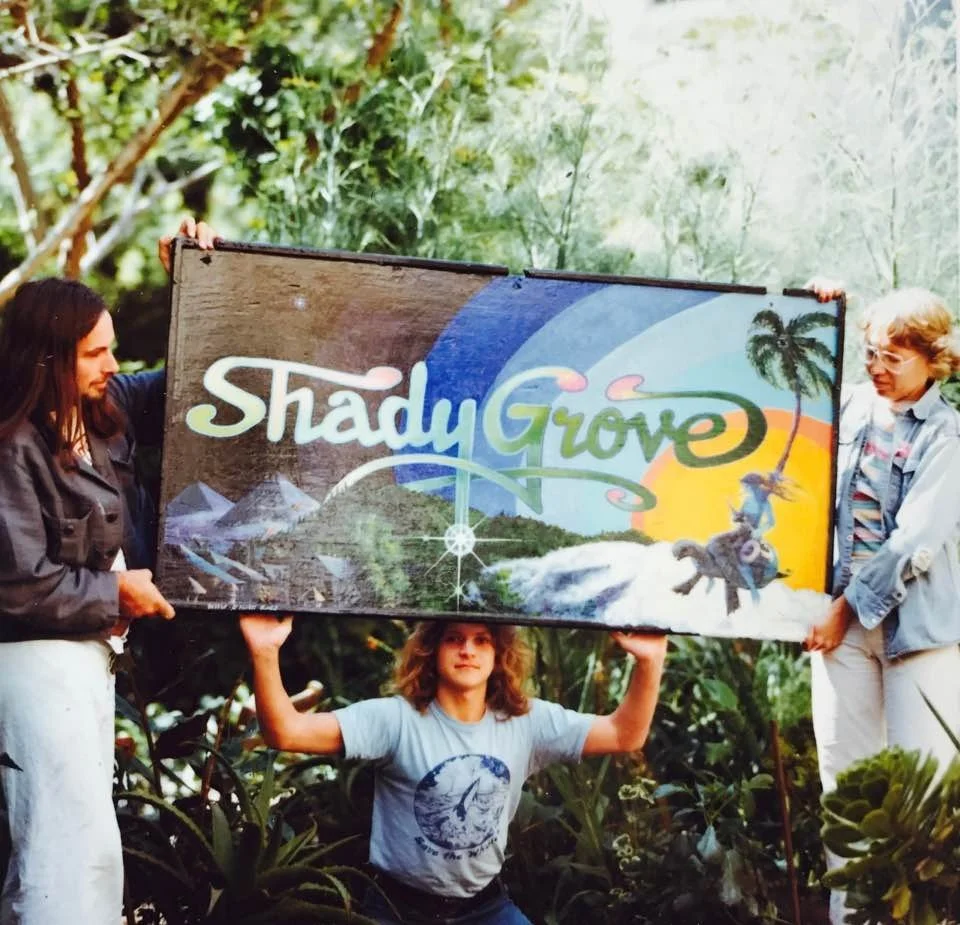
1976 through 1979 I worked at Shady Grove, a rock and roll club on Haight Street that featured many well-known musicians from the 60s and 70s, such as Merl Sanders, Barry Melton from Country Joe and the Fish, and Moby Grape, to name a few. I designed monthly calendars and flyers amongst other things, for Shady Grove for 4-years.
A calendar of events. Art and Design by David Wills.
Myself and artist’s Mark Bode and Kathleen O’Neil holding the sign we created for Shady Grove.
More examples of various artwork…
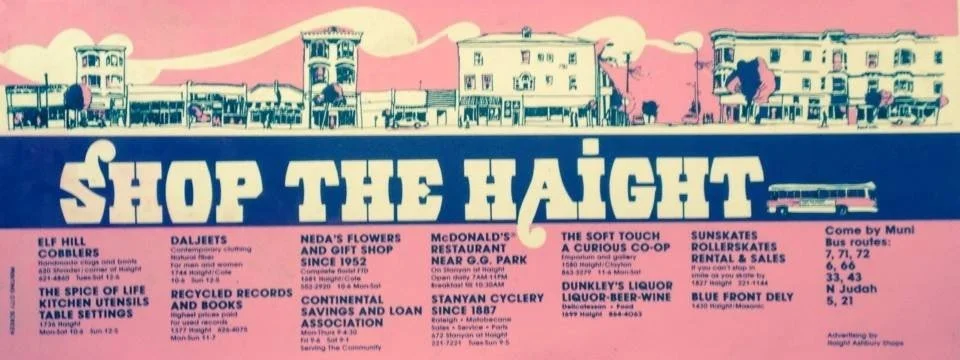
In 1978, the “Shop the Haight” campaign begins where I created posters for the small shop owners which were advertised on the San Francisco Muni buses.
In 1978, I created the very first Haight Ashbury Street Fair poster. The Haight Street Fair continues to this day.
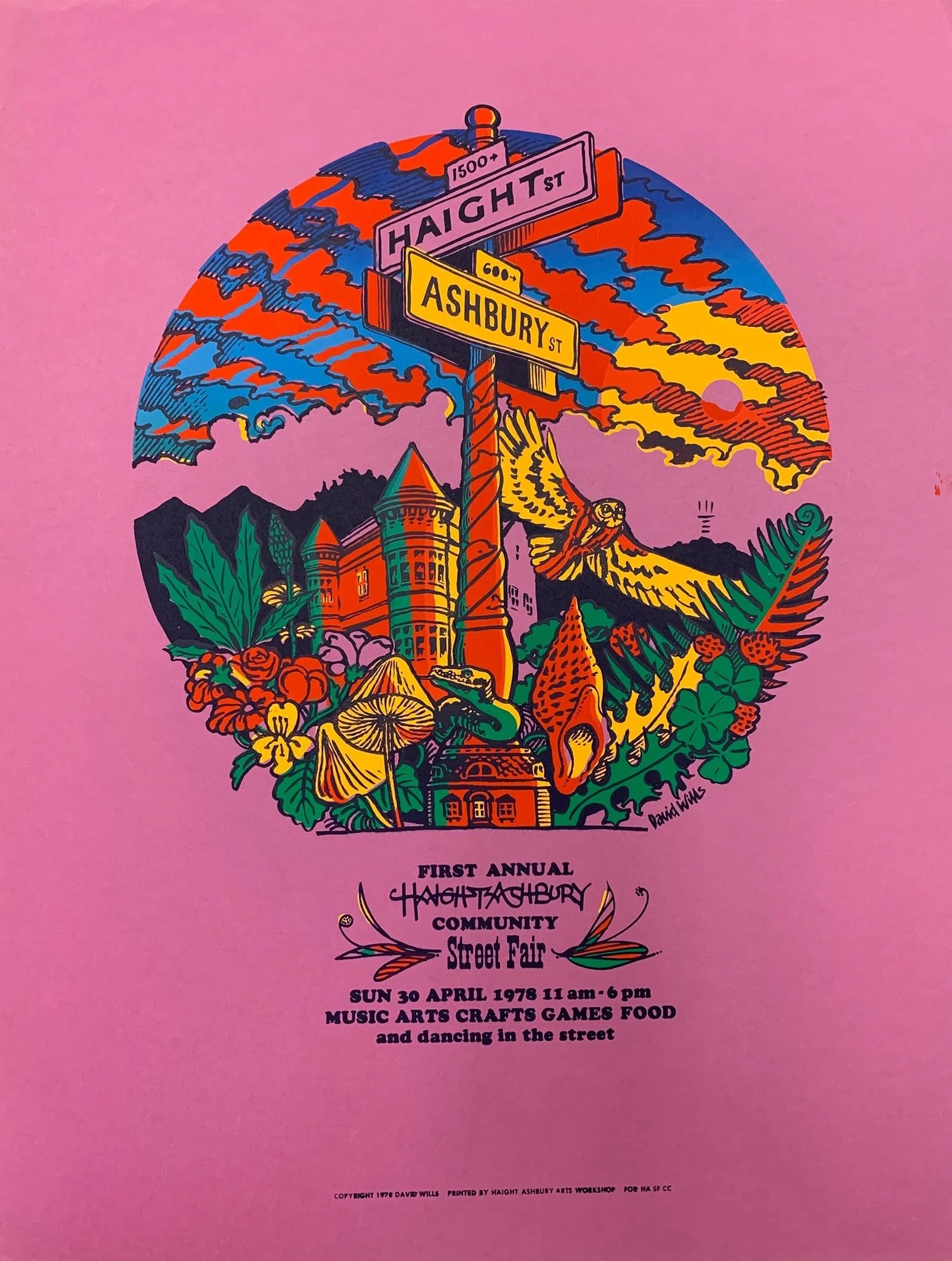
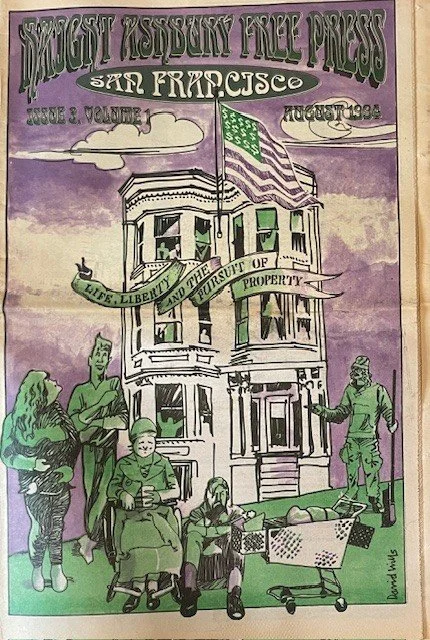
In 1978, I designed the first Haight Ashbury Gazette, a local newspaper. At various times, I also designed for other local newspapers such as the Haight Ashbury Literary Journal, the Haight Ashbury Free Press, and the Haight Ashbury Newspaper.
Haight Ashbury Free Press, Issue 3, Volume 1, 1994. Art and Design by David Wills.
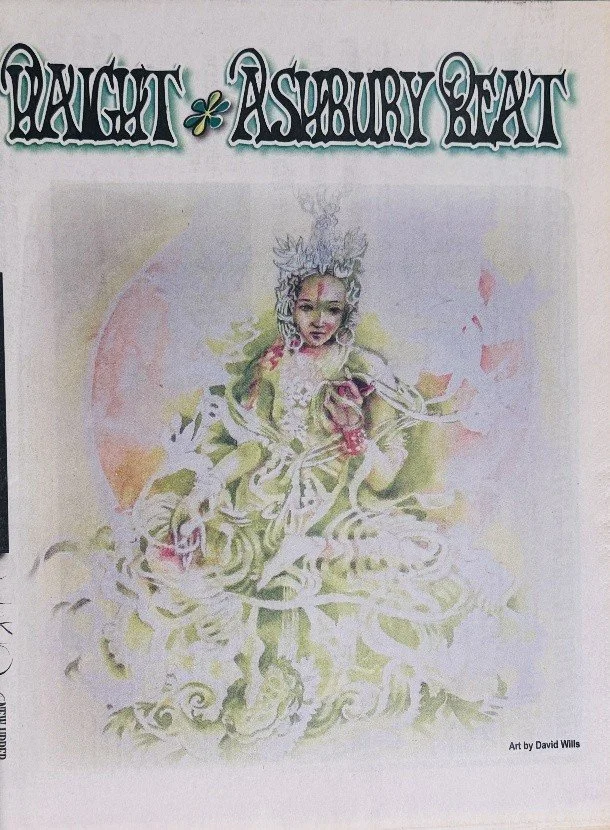
Haight Ashbury Beat, Early 2000’s. Art and Design by David Wills
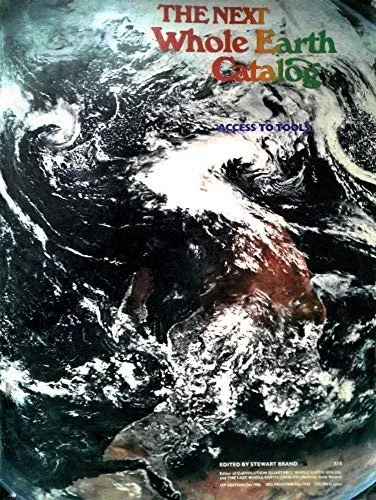
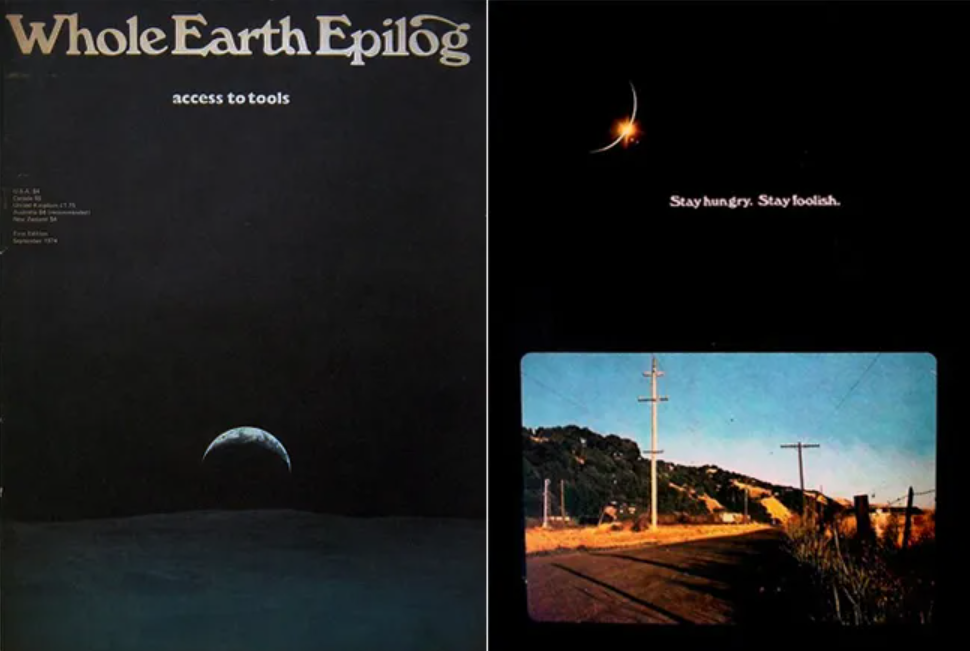
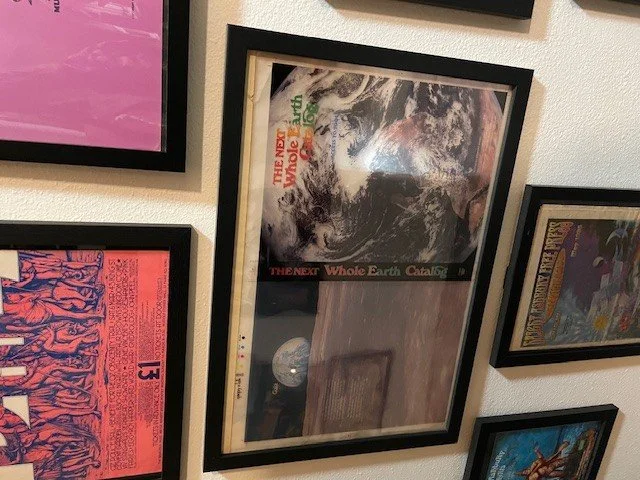
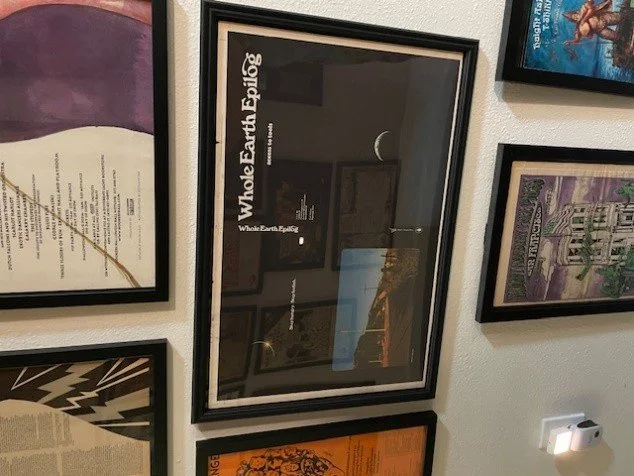
In 1976, while watching the hang gliders on the coast of the San Francisco Peninsula, I met Stewart Brand, the creator of the Whole Earth Catalog. As a result, I designed many Whole Earth books and magazines including, The Next Whole Earth Catalog, and the Whole Earth Epilog, which Steve Jobs mentions in a commencement speech he gave at Stanford University and quoted, “Stay hungry, stay foolish” from the back cover. In my collection are the original color separations for the Whole Earth Catalog which are four different color proofs – red, blue, yellow, and black - on clear acetate, so when combined, make the finished picture. Also in my collection is an uncut, unfolded cover of the Whole Earth Epilog.
The Whole Earth Catalog was a compendium of articles covering every conceivable topic including understanding whole systems, land use, soft technology, craft, community, politics, nomadics, communications and learning. It was the precursor to what Google is today.
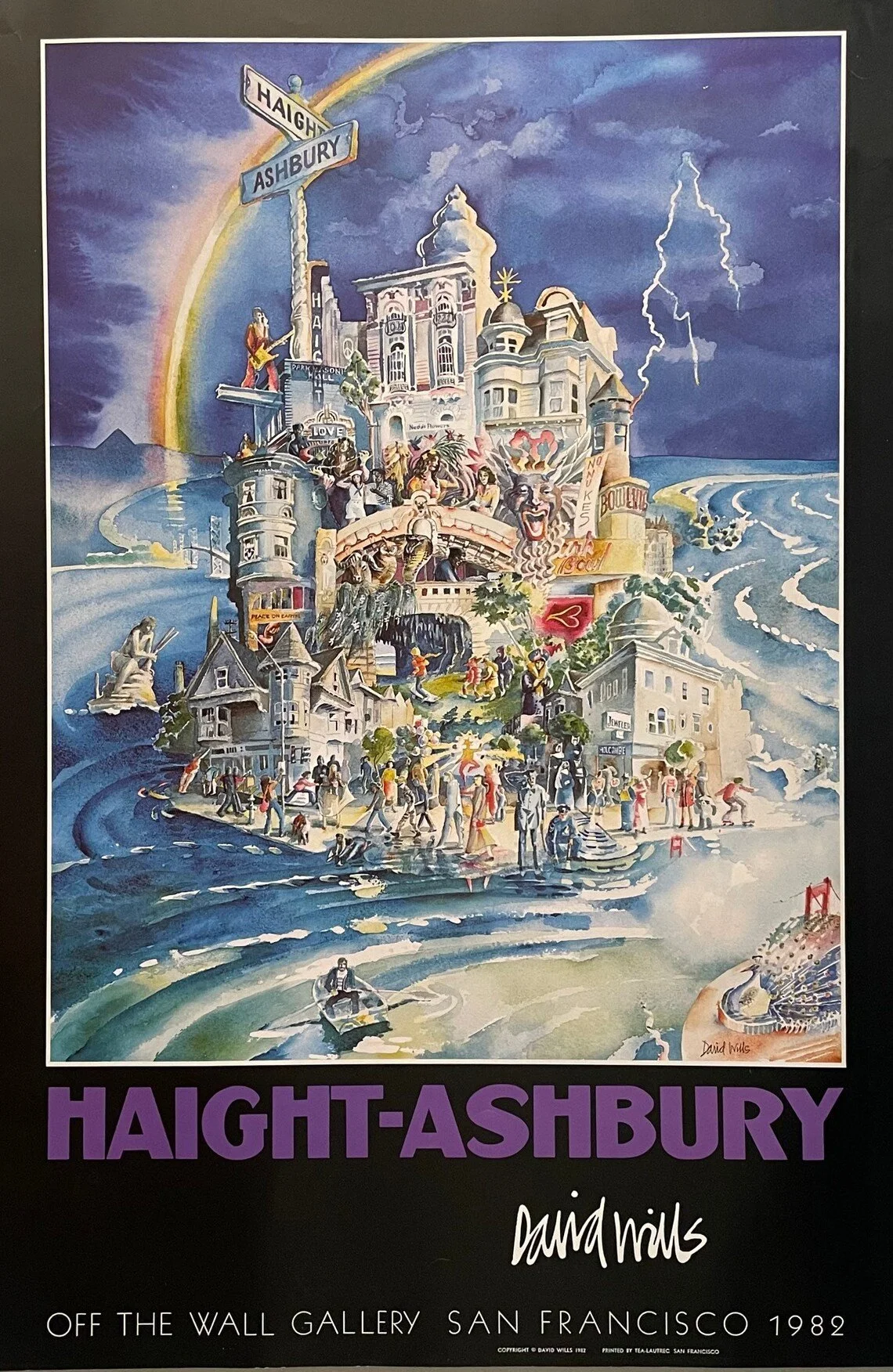
In 1982, I created the, “Haight Ashbury Poster”, which was commissioned by merchants in the Haight who paid for $5000 worth of posters at the T Lautrec print shop. It was the last job printed by the 84-year-old owner, Lavan Moscovian, who also printed all of the Bill Graham and Family Dog rock posters in the 60’s and 70’s.
In 1984, I started work as an art director at Shelter Publications in Bolinas California, where I worked for over 30 years for Lloyd Kahn on various projects, including the Tiny Homes series.



In 2013, I moved to Sonoma California. Having spent my previous life as a graphic designer which included painting as part of my skill set, I am now able to work full time as a painter.
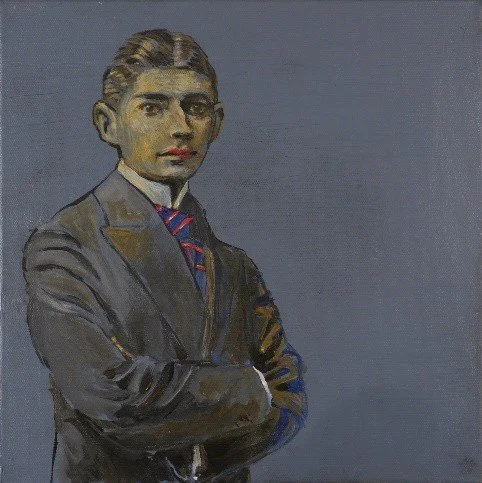
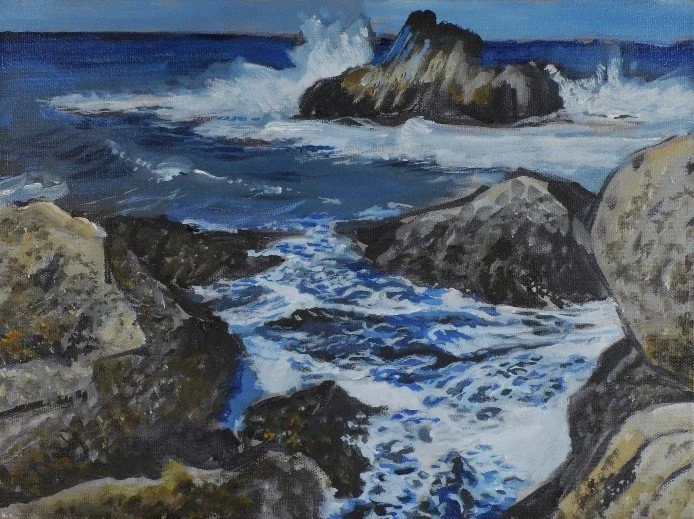
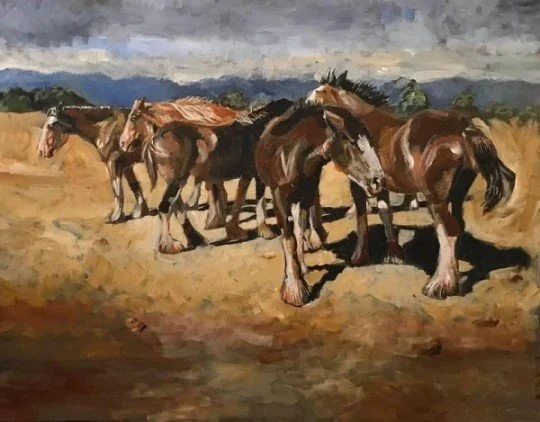
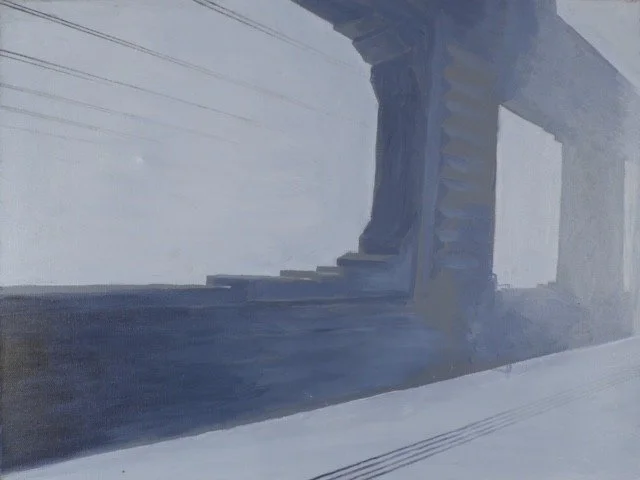
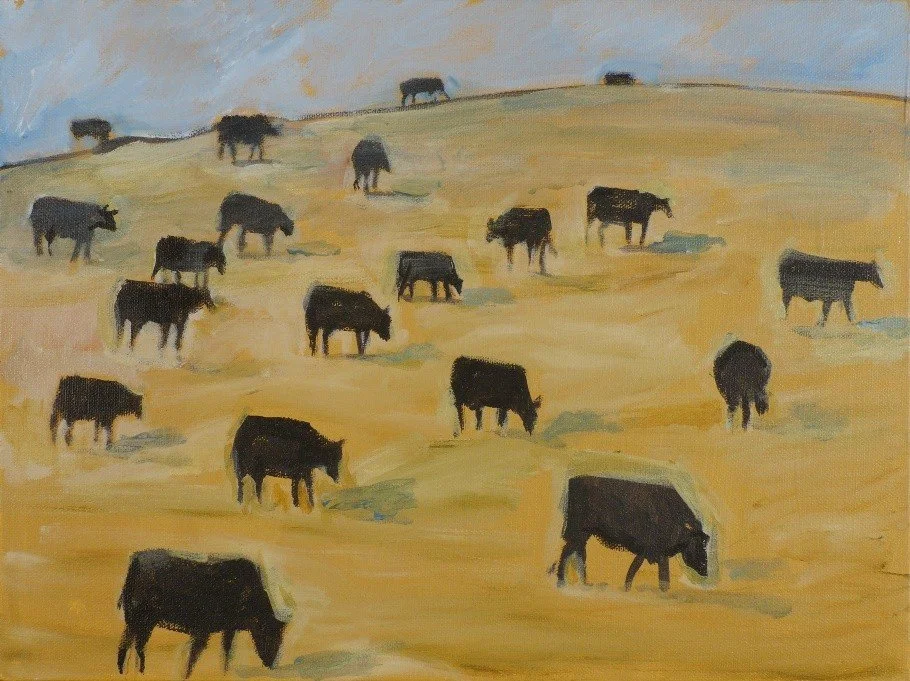
More images of various art and design projects over the years……
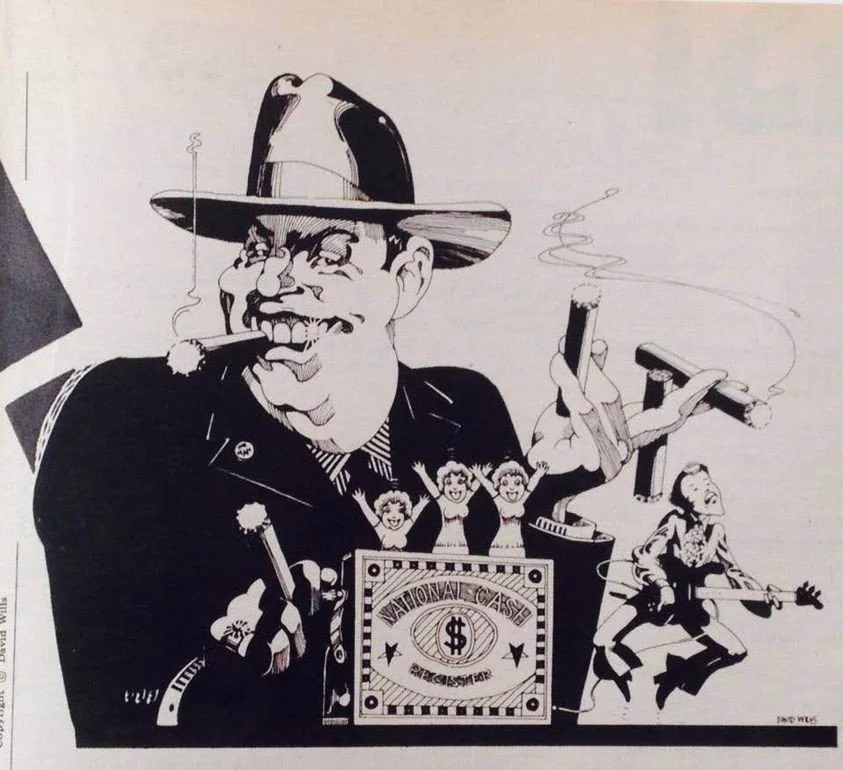
An Illustration for Music Works by David Wills.
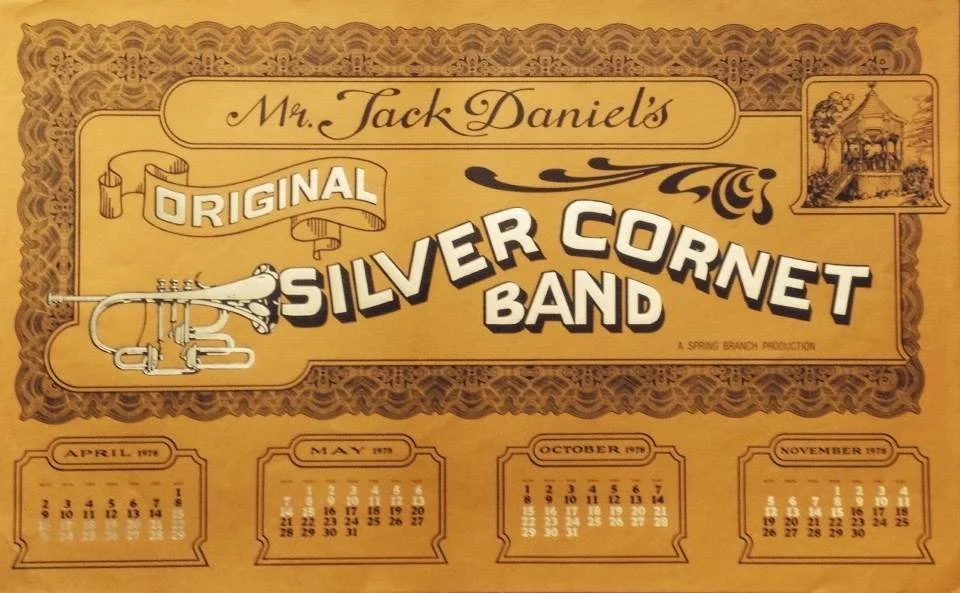
A commission by Jack Daniel’s. I placed the “Mr.” in and they kept it. The gazebo in the corner is an illustration by me copied from an image JD supplied. Art and Design by David Wills.
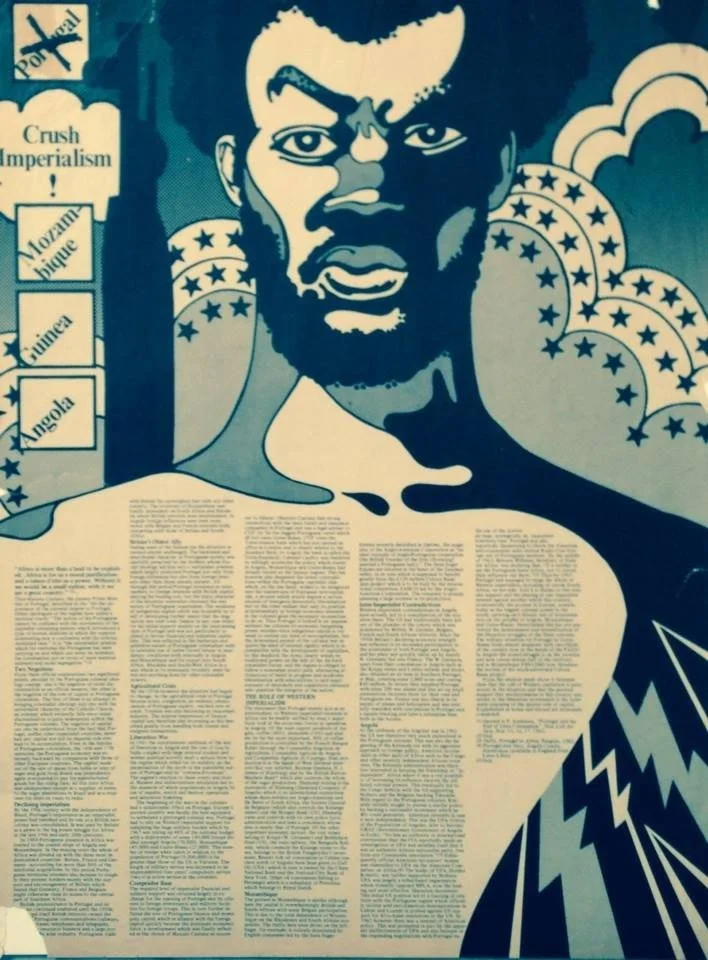
Created for a newspaper called Black Dwarf; a political and cultural newspaper in ‘60’s London. Art and Design by David Wills.
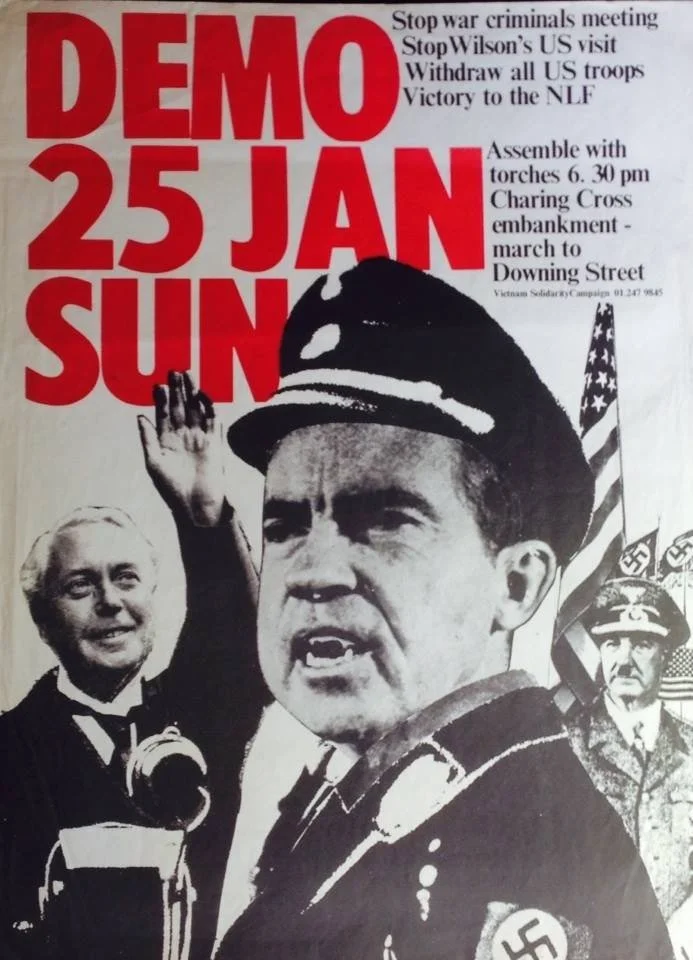
Designed by me for a what ended up being a huge demonstration in London which inspired the song, “Street Fighting Man”, by the Rolling Stones.
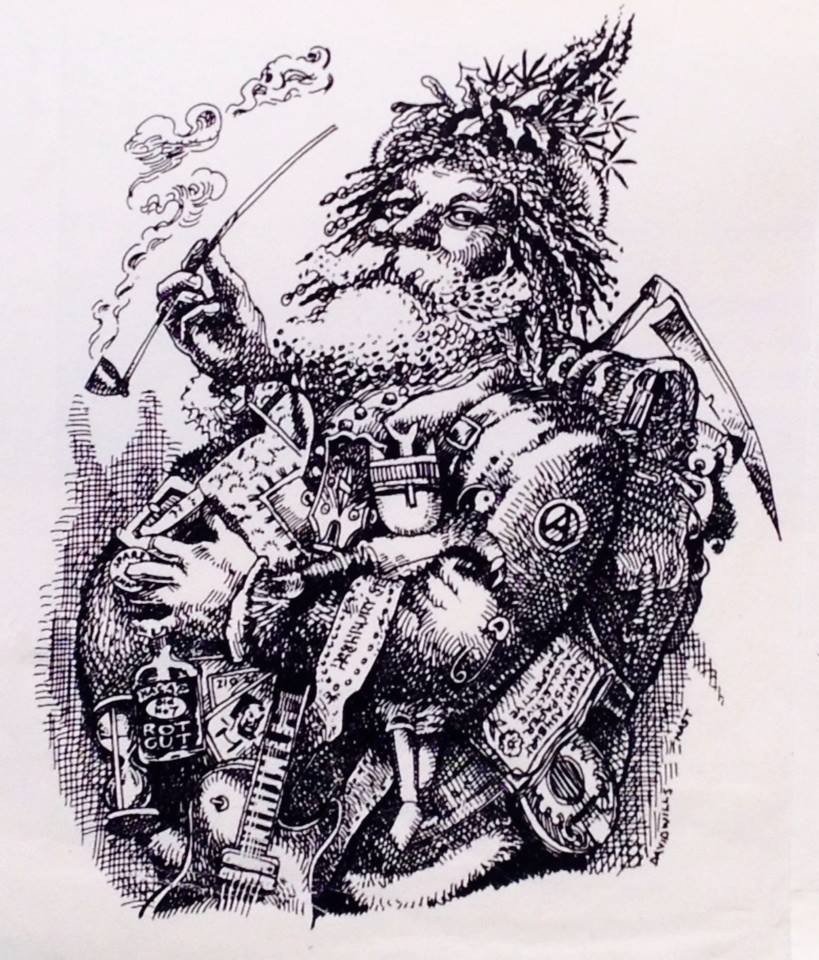
“Santa Haight”, a redrawing of a Victorian Santa which was the invention of the modern Santa Clause.